









Type "Supima cotton t-shirt" into any marketplace search bar in India and you'll get hundreds of results. But seeing the word "Supima" in a product title doesn't, by itself, tell you everything you need to know about the cotton inside the T-shirt.
Supima is not simply a generic description for soft or premium cotton. SUPIMA® is a trademark associated with American-grown Pima cotton, and Supima has established a traceability and authentication system for products carrying the SUPIMA® trademark.
Supima says its cotton represents less than 1% of cotton grown worldwide. Its current AQRe™ system combines digital supply-chain traceability through TextileGenesis™ with physical authentication conducted by Oritain™. That gives consumers a stronger basis for trusting a SUPIMA® claim than simply taking a product description at face value.
So how can you tell whether the Supima T-shirt you're considering is genuinely made with Supima cotton?
Here's what to look for before you buy.
5 Ways to Check If Your Supima T-Shirt Is Genuine
If you're shopping for a Supima cotton T-shirt in India, these five checks can help you separate a specific, credible sourcing claim from vague premium-cotton marketing.
-
Look for a clear Supima content claim.
Pay attention to exactly how the product describes its material. "100% Supima cotton" is a much more specific claim than phrases such as "Supima-style," "Supima-like," or "Pima blend."
Also remember that the word "Pima" doesn't automatically mean "Supima." Pima is a broader cotton category, while SUPIMA® identifies American-grown Pima cotton marketed under the Supima trademark.
-
Check whether the brand explains its yarn source.
A transparent premium-cotton brand should be able to tell you something about its supply chain. Look for information about the yarn manufacturer, spinning mill, fabric supplier or manufacturing location.
You don't necessarily need a list of every company involved. But "premium imported cotton" tells you much less than a specific, checkable sourcing explanation.
-
Don't use price alone as your authenticity test.
Supima is a premium extra-long-staple cotton, and producing and processing premium cotton can cost more than conventional cotton. But price by itself cannot prove whether a T-shirt is genuine.
A very cheap T-shirt may deserve additional questions, but an expensive T-shirt isn't automatically genuine either. Look at the complete sourcing story rather than relying on the price tag.
-
Look for evidence behind the SUPIMA® trademark.
This is one of the most important checks. Supima's current AQRe™ system is designed to connect participating supply-chain partners through TextileGenesis™ and provide physical authentication through Oritain™.
Supima states that products using the SUPIMA® trademark must be sourced and processed through its authentication system.
-
Pay attention to how the T-shirt performs over time.
Supima's extra-long-staple fibers are associated with strength, softness, color retention and resistance to pilling. But the performance of a finished T-shirt also depends on yarn construction, knitting, finishing, dyeing and garment construction.
So don't treat softness or a few washes as a laboratory test for authenticity. Use long-term performance as one part of your overall quality assessment.
No single check proves everything. The strongest signal is a combination of clear material information, identifiable sourcing, credible supply-chain details and a properly supported SUPIMA® trademark claim.
Is Supima Cotton Actually Faked Sometimes?
Any premium material name can attract misleading claims, which is why traceability matters.
Supima was designed as a branded identity for American-grown Pima cotton, and the organization has spent years building systems intended to protect the authenticity of products carrying the SUPIMA® name.
In 2023, Supima introduced the AQRe™ Project, replacing its previous licensing approach with a system combining digital traceability and physical authentication.
The digital side uses TextileGenesis™ to record transactions as Supima cotton moves through the supply chain. The physical side uses Oritain™ to conduct forensic testing on samples selected from the supply chain.
Supima says the SUPIMA® trademark is only eligible for products sourced and processed through this end-to-end system.
That's an important distinction. A company simply printing "Supima" on a product description is not the same thing as having a traceable and authenticated SUPIMA® supply chain.
And that's exactly why consumers should look beyond the word printed on a label.
Is Pima Cotton the Same as Supima?
No.
This is where a lot of the confusion around premium cotton begins.
Pima refers to a broader category of extra-long-staple cotton. Pima cotton can be associated with different growing regions and supply chains.
Supima is a trademark associated with American-grown Pima cotton that is handled through the Supima organization's requirements.
In simple terms:
Supima is Pima, but not every Pima cotton product is Supima.
So if a T-shirt says "Pima cotton," don't automatically assume that it contains SUPIMA® cotton.
If you're deciding between the two, read our Supima vs Suvin cotton comparison guide for a deeper look at their origins, characteristics and uses.
Why Genuine Supima Costs More — and How We Keep It Reasonable
Premium cotton doesn't become premium simply because a brand puts a higher price on it.
The cost begins with the fiber itself and continues through ginning, spinning, knitting, dyeing, finishing and garment manufacturing. A branded and traceable supply chain adds another layer of requirements.
Supima's extra-long-staple fiber is one of the reasons it is positioned as a premium cotton. The longer fibers can be spun into strong, smooth yarns and are associated with softness, durability and better color retention.
But retail pricing isn't determined by cotton alone.
A T-shirt can pass through several commercial layers before reaching the customer:
Manufacturer → Distributor → Wholesaler → Retailer → Customer
Every additional layer can add its own costs and margin.
Our approach at NooBrand is different. We focus on a direct-to-consumer model so that more of what you're paying for can go into the fabric, construction and finished garment rather than unnecessary distribution layers.
How We Source and Verify Our Supima Cotton
Our Supima yarn comes from Ambika Cotton Mills, a textile manufacturer based in Tamil Nadu.
We're specific about our yarn source because transparency matters when you're selling a premium material.
Ambika Cotton Mills states on its own website that it manufactures 100% cotton compact yarn for premium branded shirts and T-shirts and that it holds a Supima certificate from the Supima Association in the USA.
Our garments are then cut and sewn in Tamil Nadu, bringing the material and manufacturing stages together within a clearly identifiable Indian supply chain.
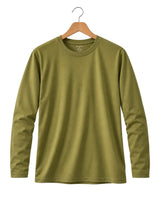
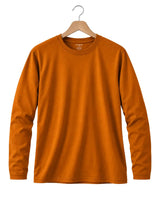
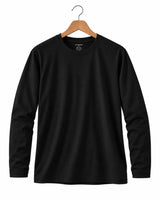
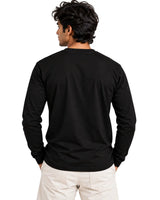
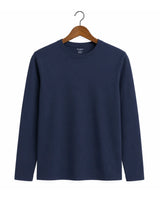
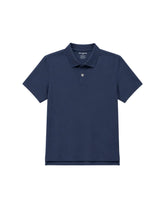
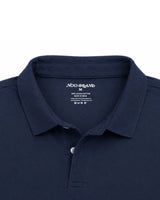
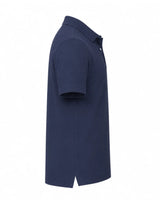
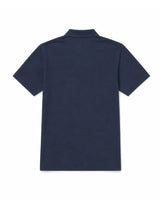
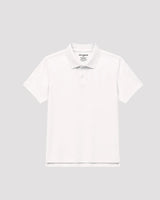
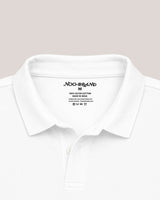
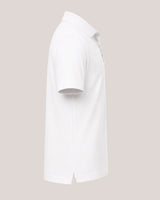
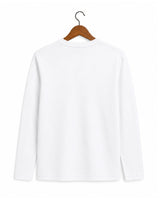
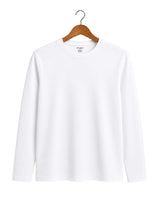
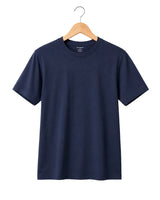
If you want to see the products themselves, you can explore our Supima cotton T-shirt collection.
What Should You Look for on a Supima T-Shirt Product Page?
Before clicking Add to Cart, spend another minute reading the product page.
A transparent premium-cotton product page should ideally give you more than a headline saying "luxury Supima cotton."
1. Fiber composition
Check exactly what the garment is made from. If the product contains other fibers, the composition should be clearly disclosed.
2. Cotton origin
Look for an explanation of where the cotton comes from and what the brand means when it uses the SUPIMA® name.
3. Yarn information
If the brand identifies its yarn manufacturer or spinning partner, that's useful information when evaluating a premium cotton product.
4. Fabric details
Look for information such as:
- GSM
- Fabric construction
- Yarn characteristics
- Finishing
- Fabric feel
5. Manufacturing location
A transparent brand should be comfortable telling customers where the garment is made.
6. Supply-chain transparency
The more specific the brand is about the journey from fiber to yarn to fabric to finished garment, the easier it is for you to evaluate the product.
Why the Fiber Isn't the Whole Story
Even genuine Supima cotton doesn't automatically guarantee a perfect T-shirt.
The final garment depends on what happens to the cotton after it leaves the farm.
Fiber quality + yarn quality + fabric construction + finishing + garment construction = the final T-shirt.
Two T-shirts can use premium cotton and still feel completely different because of differences in yarn count, fabric weight, knitting, dyeing, finishing and fit.
That's why "Supima" should be the beginning of your evaluation, not the end.
Supima vs Regular Cotton: What Will You Actually Notice?
The difference between premium and conventional cotton isn't necessarily dramatic on the first day you wear a T-shirt.
Some of the advantages become more meaningful over repeated wear and washing.
Supima's extra-long fibers are associated with:
- Smoother yarns
- Soft hand feel
- High fiber strength
- Resistance to pilling
- Good color retention
- Longer-lasting fabric performance
However, the finished garment still depends heavily on the quality of the yarn, fabric and manufacturing process.
Is Supima Cotton Better Than Suvin Cotton?
This is one of the questions we hear most often.
The short answer is: neither is automatically "better."
Supima and Suvin represent two different premium cotton stories.
Supima is American-grown Pima cotton.
Suvin is an Indian cotton known for its extra-long and fine fiber characteristics.
So instead of asking which one is universally better, it's more useful to ask which fabric characteristics, weight, construction and feel suit your preferences.
If you're comparing the two for your next T-shirt, read our Supima vs Suvin cotton guide.
How to Care for a Genuine Supima Cotton T-Shirt
Buying premium cotton is only half the job. How you wash and dry the garment can have a significant effect on how it looks over time.
Wash in cold or cool water
Cooler washing can help reduce unnecessary stress on cotton fibers and dyes.
Use a mild detergent
A gentle detergent is generally sufficient for everyday T-shirt washing.
Turn the T-shirt inside out
This can help reduce surface abrasion and protect the outer appearance of the fabric.
Avoid excessive heat
High drying temperatures can contribute to shrinkage and fabric wear.
Air-dry when practical
Gentle drying is a good choice when you want to maximize the useful life of your T-shirt.
Always follow the specific care instructions supplied with your garment.
A Simple Supima Cotton Authenticity Checklist
Before buying a Supima cotton T-shirt online in India, ask yourself:
| Check | What to Look For |
|---|---|
| Fiber claim | Is the material clearly described? |
| Cotton origin | Does the brand explain where the cotton comes from? |
| Yarn source | Can the brand identify the spinning mill or yarn supplier? |
| SUPIMA trademark | Can the brand substantiate its SUPIMA® claim? |
| Manufacturing | Does the company disclose where the garment is made? |
| Fabric details | Are GSM, construction and finishing explained? |
| Pricing | Does the price make sense for the material and construction? |
| Transparency | Can the brand answer basic sourcing questions? |
| Care information | Are clear washing and drying instructions provided? |
Frequently Asked Questions
Is Supima cotton worth the extra cost?
It can be, especially if you value softness, fabric quality, durability and long-term wear. Supima is an extra-long-staple cotton associated with strength, softness and color retention. But don't pay a premium simply because the word "Supima" appears in a product title. Look at the complete product and the credibility of the sourcing claim.
How can I tell if a T-shirt is really Supima cotton?
You cannot reliably determine authenticity just by touching the fabric. Instead, look for clear information about the cotton's origin, yarn source, manufacturing chain and the brand's ability to substantiate its SUPIMA® trademark claim.
Is Supima the same as Pima cotton?
No. Pima is a broader cotton category, while SUPIMA® is a trademark associated with American-grown Pima cotton and its authorized supply chain.
Is Supima cotton grown in India?
No. Supima describes its cotton as American-grown Pima cotton. However, genuine Supima cotton can be spun, knitted and manufactured in other countries through the appropriate supply chain.
Why is Supima cotton expensive?
Supima is an extra-long-staple cotton positioned as a premium fiber. The final cost of a T-shirt also includes spinning, knitting, dyeing, finishing, manufacturing, quality control, logistics and retail or distribution costs.
Does Supima cotton pill?
Supima's longer fibers are associated with resistance to pilling, but no cotton T-shirt can be guaranteed never to pill. Pilling also depends on yarn construction, fabric construction, finishing, friction and how the garment is washed and worn.
Is Supima better than regular cotton?
Supima is a premium extra-long-staple cotton associated with softness, strength and color retention. However, the quality of the finished T-shirt depends on much more than the fiber itself, including yarn, fabric construction, finishing and garment manufacturing.
How should I wash a Supima cotton T-shirt?
Use cool or cold water, a mild detergent and gentle washing. Turn the garment inside out when practical and avoid excessive heat during drying. Always follow the care label supplied with your specific garment.
Can a T-shirt made in India use genuine Supima cotton?
Yes. Supima cotton is grown in the United States, but yarn and garments can be produced elsewhere through the appropriate authorized supply chain. The important question is whether the SUPIMA® claim is properly supported.
The Bottom Line: Don't Buy the Word. Buy the Story Behind It.
The easiest way to shop for premium cotton isn't to memorize complicated textile terminology.
Ask better questions.
Where did the cotton come from?
Who spun the yarn?
Can the brand explain its supply chain?
Is the SUPIMA® claim properly supported?
Where was the T-shirt made?
Does the product page give you enough information to make an informed decision?
A premium T-shirt shouldn't need a mystery story.
At NooBrand, we believe customers deserve to know what goes into the garment — from the cotton and yarn to the finished T-shirt.
That's why we focus on premium materials, transparent sourcing and direct-to-consumer pricing rather than hiding behind vague descriptions.
Because when you're paying for better cotton, you should know that you're actually getting it.
Explore NooBrand Supima Cotton T-Shirts →
Sources and Further Reading
- Supima – Frequently Asked Questions
- Supima – The Cotton
- Supima – Licensing and AQRe™ Authentication
- Supima – AQRe™ Project
- Ambika Cotton Mills – Products and Certifications